
Spaghetti Squash Hash Browns

A light, crunchy, and healthy twist on classic hash browns—pan-fried shredded spaghetti squash formed into golden patties. Fast, gluten-free, and perfect for breakfast or a savory side.
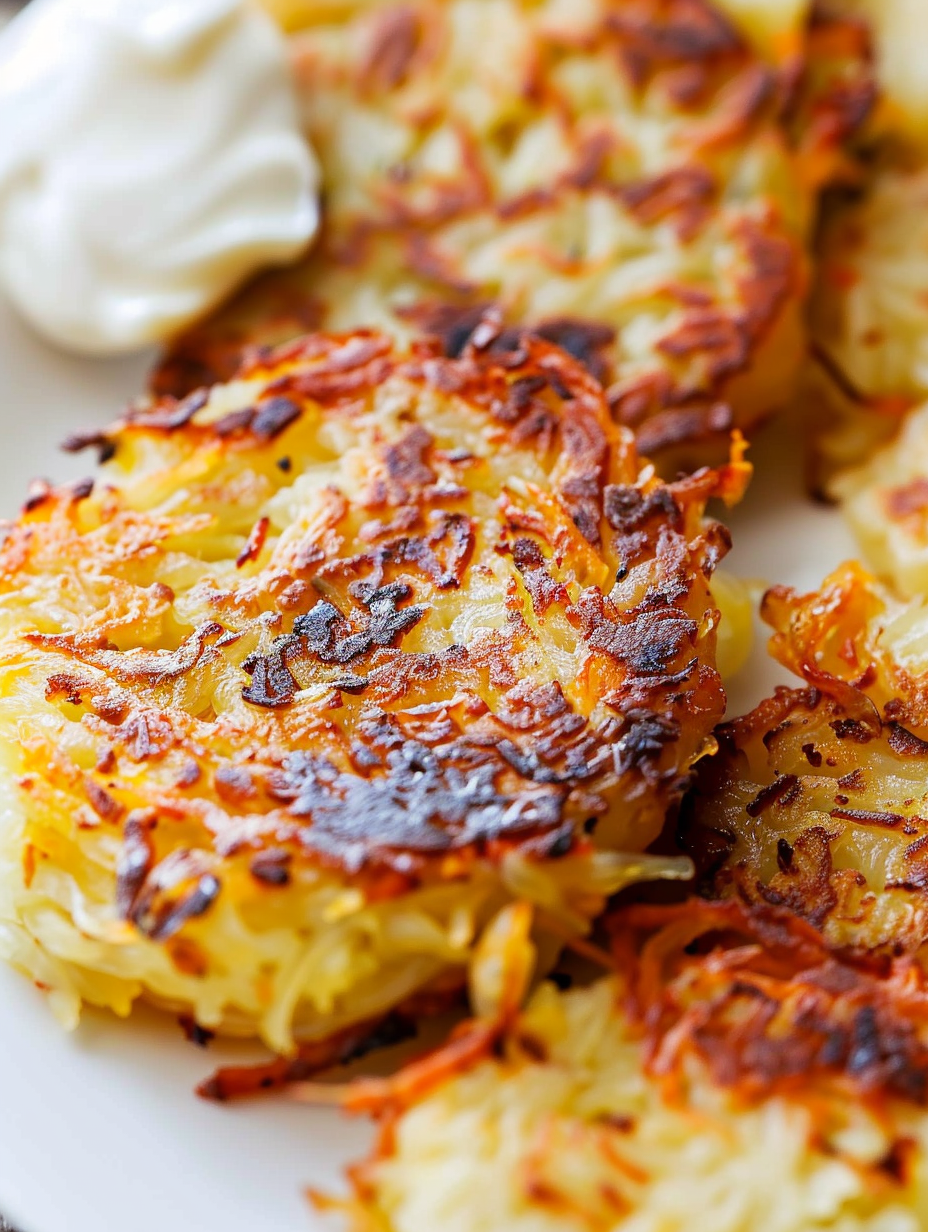
This spaghetti squash hash browns recipe is a small but meaningful pivot away from the ordinary potato version, and it has become one of those simple pleasures I make whenever winter lingers or when I crave a lighter brunch. I first stumbled onto this combination on a rainy Saturday when the grocery delivered a large, awkward squash and I didn’t want a heavy mash. After steaming a half squash and shredding it with a fork, I discovered a surprising crunch after a quick fry that felt both indulgent and refreshingly bright. The texture is a contrast of soft, slightly sweet squash strands with a crisp, caramelized exterior that satisfies the craving for something fried without the heaviness of potatoes.
I remember the first time I served these to friends—one skeptic who always insists potatoes are the only acceptable base for hash browns took one bite and asked for seconds. They taste subtly sweet, earthy, and become nutty when browned correctly; the secret is pressing the moisture out thoroughly and keeping the skillet hot enough to build color without burning. These patties are forgiving, quick, and adaptable: serve them with runny eggs, a dollop of yogurt, or a spicy chutney to make them a complete meal. For two people, you can have a skillet on the table in under 20 minutes, which is the kind of reliable recipe I keep returning to on busy mornings.
Why You'll Love This Recipe
- Gluten-free and naturally grain-free: made with shredded spaghetti squash instead of potatoes or flour, ideal for sensitive diets.
- Quick to prepare: about 5 minutes active prep and 15 minutes pan time—ready in around 20 minutes from start to finish.
- Pan-fried crispiness with lighter calories: you get that golden, caramelized crust using just 1 tablespoon of oil for the whole batch.
- Uses pantry-friendly oil choices: olive, avocado, or coconut oil all work and change the flavor subtly to suit your mood.
- Make-ahead friendly: prepare patties in advance and refrigerate for up to 3 days or freeze portions for meal prep.
- Versatile: excellent for breakfast, a brunch side, or a light dinner accompaniment—pair with eggs, smoked salmon, or a crisp salad.
Personal note: when I first taught this to my sister, she loved that it uses leftover squash. My partner now asks for a double batch during holiday brunches because they reheat beautifully in a skillet and retain that desirable crunch. Over time I’ve learned little adjustments—like squeezing more moisture and using a non-stick pan at medium heat—make all the difference for consistency and color.
Ingredients
- Cooked shredded spaghetti squash: Use about 2 cups (loosely packed) of flesh. Choose a medium squash (about 2–3 pounds whole) and roast or microwave until tender; shredding with a fork yields long strands that crisp up nicely.
- Oil: 1 tablespoon total. I recommend olive oil for a neutral finish, avocado oil for a high smoke point and mild flavor, or coconut oil if you like a hint of tropical sweetness—each affects browning slightly.
- Salt and pepper (to taste): A pinch of fine salt and freshly ground black pepper highlights the squash’s natural sweetness; adjust to your preference and season the patties right before frying.
- Optional binding additions: If you prefer firmer patties, add 1–2 tablespoons of all-purpose flour, almond flour, or one lightly beaten egg per 2 cups of squash. These are optional and change texture subtly.
- Fresh herbs or aromatics: Finely chopped chives, parsley, or a little garlic powder pair beautifully—use about 1 tablespoon herbs or 1/4 teaspoon garlic powder to the mix.
Instructions
Prepare the squash: Cook a medium spaghetti squash until tender: cut in half, scoop out seeds, and roast cut-side down on a baking sheet at 400°F for 30–40 minutes, or microwave halves covered for 10–12 minutes. Once cool enough to handle, scrape the flesh into strands with a fork and measure 2 cups. Dry the strands: Place the warm shredded squash in a few layers of paper towels or a clean kitchen towel and press or wring firmly to remove as much water as possible—this step is critical to get a crisp exterior. Aim for a noticeably drier texture than when it comes out of the squash. Form the patties: Portion out about 2 tablespoons of compressed squash per patty. Press each portion firmly between your palms to compact the strands; this helps them hold together in the pan. You should get approximately 8–10 small patties from 2 cups. Heat and fry: Warm 1 tablespoon of oil in a large non-stick skillet over medium heat until shimmering but not smoking. Place patties gently into the pan without overcrowding. Cook undisturbed for 5–7 minutes per side, flipping only once if possible, until deep golden brown and crisp. Reduce heat slightly if the edges brown too quickly. Drain and serve: Transfer finished patties to paper towels to absorb any excess oil. Season immediately with a tiny sprinkle of salt. Serve warm with your choice of accompaniments—poached eggs, avocado, or a bright salsa work wonderfully.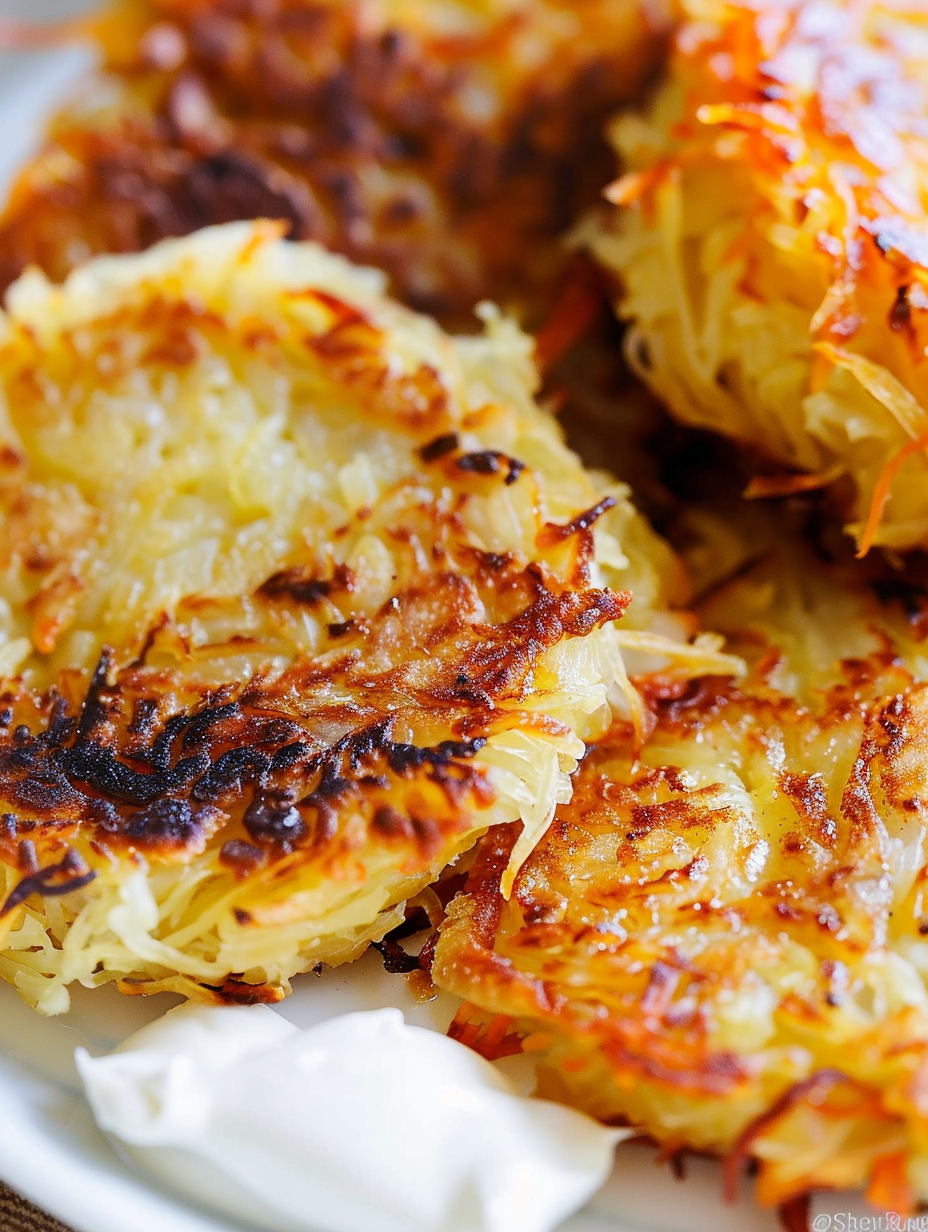
You Must Know
- These patties are low in carbohydrates compared with potato hash browns—about 4 grams of carbs per serving—making them a good choice for lower-carb meal plans.
- Leftover patties keep well in the refrigerator up to 3 days; reheat in a skillet with a touch of oil to restore crispness or warm in a 350°F oven for 10–15 minutes.
- Pressing moisture out of the strands is the single most important step; excess water steams the patties instead of browning them.
- They freeze fine: flash-freeze in a single layer, then transfer to a sealed bag for up to 3 months. Reheat frozen in a skillet, covered at first, then uncovered to crisp.
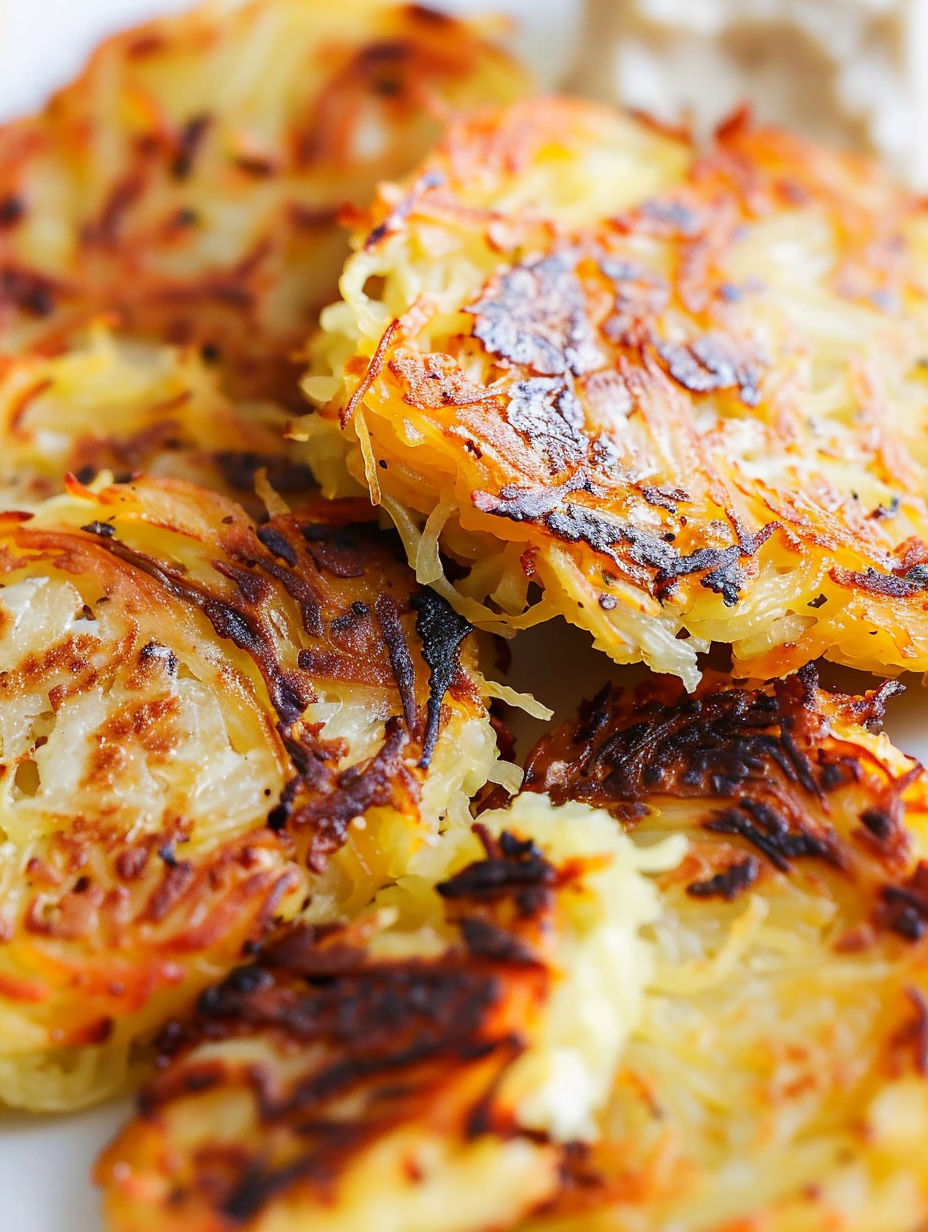
My favorite thing about this method is how forgiving it is—small differences in squash moisture or pan heat still yield a delicious result if you watch for visual cues: deep golden edges and a firm underside before flipping. It has become our go-to when mornings are rushed but we still want something homemade and satisfying.
Storage Tips
Allow patties to cool completely before storing to avoid condensation and sogginess. Place in an airtight container with layers separated by parchment paper and refrigerate for up to 3 days. For longer storage, flash-freeze on a baking sheet, then move to a resealable freezer bag for up to 3 months. To reheat, pan-fry briefly in a non-stick skillet with a teaspoon of oil per side to bring back crispiness; an oven warmed to 350°F for 10–15 minutes also works well, turning once.
Ingredient Substitutions
If you want a firmer patty, stir in 1 beaten egg per 2 cups of squash or add 1–2 tablespoons of flour (all-purpose or a GF alternative). For a nut-free binder, use oat flour or mashed cooked potato (small amount) if you don’t need it grain-free. Oils change flavor: butter gives the richest taste (not vegan), avocado oil boosts browning at higher heat, and coconut oil adds a subtle sweetness—choose based on dietary needs and flavor preferences.
Serving Suggestions
Serve two patty portions with a runny fried egg and chopped chives for a classic breakfast plate, or top with smoked salmon and a smear of crème fraîche for an elegant brunch. For a lighter meal, pair with a mixed greens salad dressed with lemon vinaigrette. These also work as a base for a breakfast sandwich—add a slice of cheddar or vegan cheese and a folded egg on toasted bread.
Cultural Background
While traditional hash browns are a staple of American breakfast culture rooted in fried potato preparations, this squash-based version is a modern adaptation that borrows the shaping and frying technique while using seasonal produce. Spaghetti squash itself became popular in home kitchens in the late 20th century because of its unique stringy texture and low-carb profile. Reinventing classic comfort foods with vegetables is part of a broader trend toward lighter, vegetable-forward renditions of familiar favorites.
Seasonal Adaptations
In fall and winter use roasted squash as the base. In warmer months substitute with grated zucchini (well-drained) mixed with a tablespoon of cornmeal for structure, or try sweet potato for a sweeter, denser patty—reduce added oil slightly for denser roots. Add seasonal herbs: in spring use dill and lemon zest, in autumn stir in a pinch of smoked paprika and thyme for warmth.
Meal Prep Tips
Make a double batch of patties on the weekend and refrigerate in portioned containers for quick breakfasts. Freeze cooked patties flat in single layers and then bag them; they reheat straight from frozen (pan or oven) and make breakfast on busy mornings effortless. Pre-measured herb mixes and a small jar of oil in the fridge speed up assembly and frying.
Success Stories
Readers often tell me this is the first non-potato version their kids enjoyed, and that guests rarely believe it’s not a traditional potato hash. One neighbor used the patties as a crunchy base for mini eggs benedict at a baby shower—everyone loved the lighter feel. I’ve brought these to potlucks where they disappeared quickly, often mistaken for a more indulgent fried side.
These patties are a small but joyful way to bring seasonal produce into familiar routines—crispy, comforting, and easy to make your own. Try them once and you’ll find reasons to make them again and again, whether for a weekday boost or a leisurely weekend brunch.
Pro Tips
Thoroughly remove moisture from the cooked squash to ensure a golden crust when frying.
Use a well-heated non-stick skillet and avoid flipping the patties more than once to allow full browning.
If you need firmer patties, add one beaten egg or 1–2 tablespoons of flour per 2 cups of squash.
This nourishing spaghetti squash hash browns recipe is sure to be a staple in your kitchen. Enjoy every moist, high protein slice — it is perfect for breakfast or as a wholesome snack any time.
FAQs about Recipes
How do I keep the patties from being soggy?
Pressing the moisture from cooked squash helps it brown rather than steam. Use paper towels or a clean kitchen towel and press firmly.
Can these be frozen?
Flash-freeze patties on a sheet before transferring to a bag; reheat in a skillet or oven from frozen to restore crispness.
Tags
Spaghetti Squash Hash Browns
This Spaghetti Squash Hash Browns recipe makes perfectly juicy, tender, and flavorful steak every time! Serve with potatoes and a side salad for an unforgettable dinner in under 30 minutes.
Instructions
Cook and shred the squash
Cut spaghetti squash in half, remove seeds, and roast at 400°F for 30–40 minutes or microwave halves covered for 10–12 minutes. Scrape flesh with a fork into strands and measure 2 cups.
Dry the strands thoroughly
Place warm strands in paper towels or a clean kitchen towel and press or wring to remove excess water. The drier the strands, the crisper the patties will be.
Form patties
Portion about 2 tablespoons of squash per patty and compress firmly between your palms to bind. Season lightly with salt and pepper and add herbs or optional binder if using.
Pan-fry until golden
Heat 1 tablespoon oil in a non-stick skillet over medium heat. Place patties without overcrowding and cook 5–7 minutes per side until deep golden brown, flipping once if possible.
Drain and serve
Transfer patties to paper towels to drain any excess oil, season again if needed, and serve warm with your preferred accompaniments.
Last Step: Please leave a rating and comment letting us know how you liked this recipe! This helps our business to thrive and continue providing free, high-quality recipes for you.
Nutrition
Did You Make This?
Leave a comment & rating below or tag
@yummique on social media!
Categories:
You might also like...
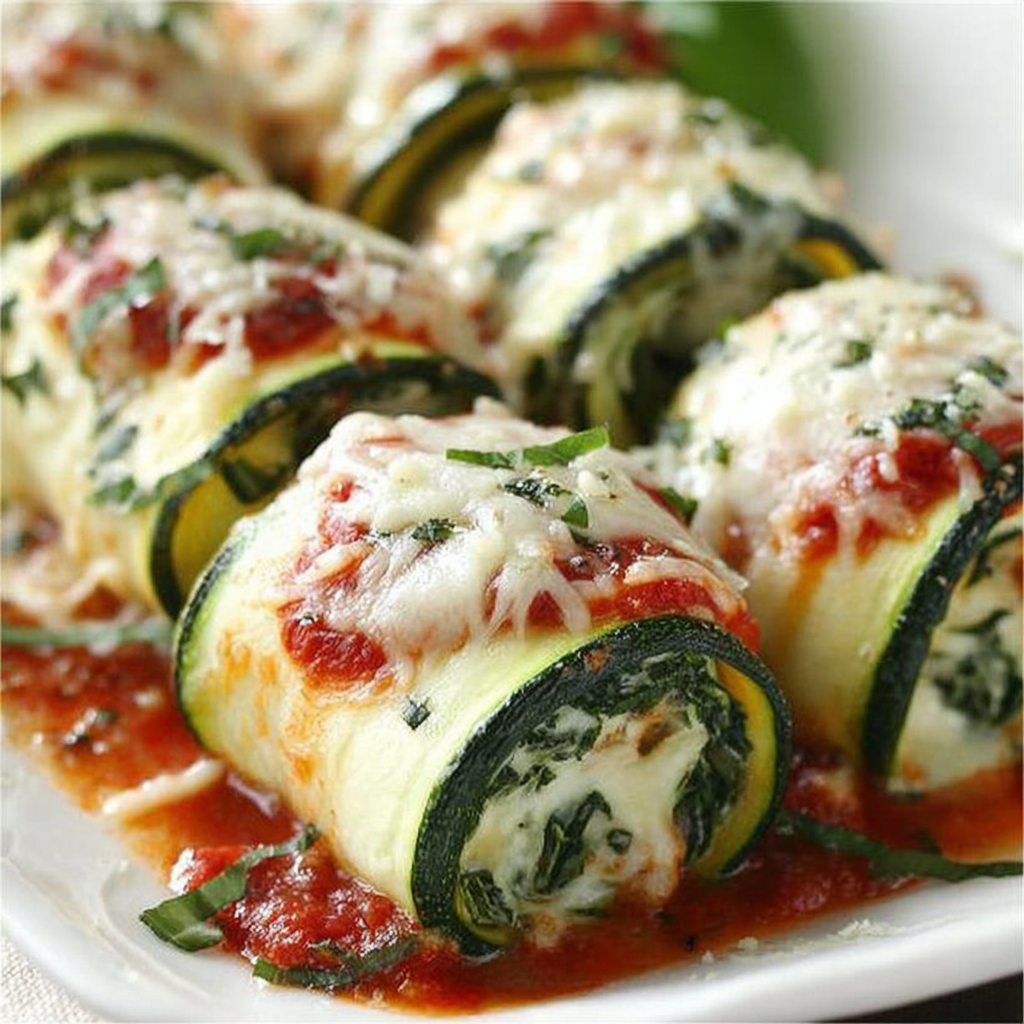
Cheesy Zucchini Rollatini Bake
Tender grilled zucchini wraps basil ricotta, bathed in marinara and mozzarella, baking into a bubbly, lighter Italian comfort dinner ready in 30 minutes.
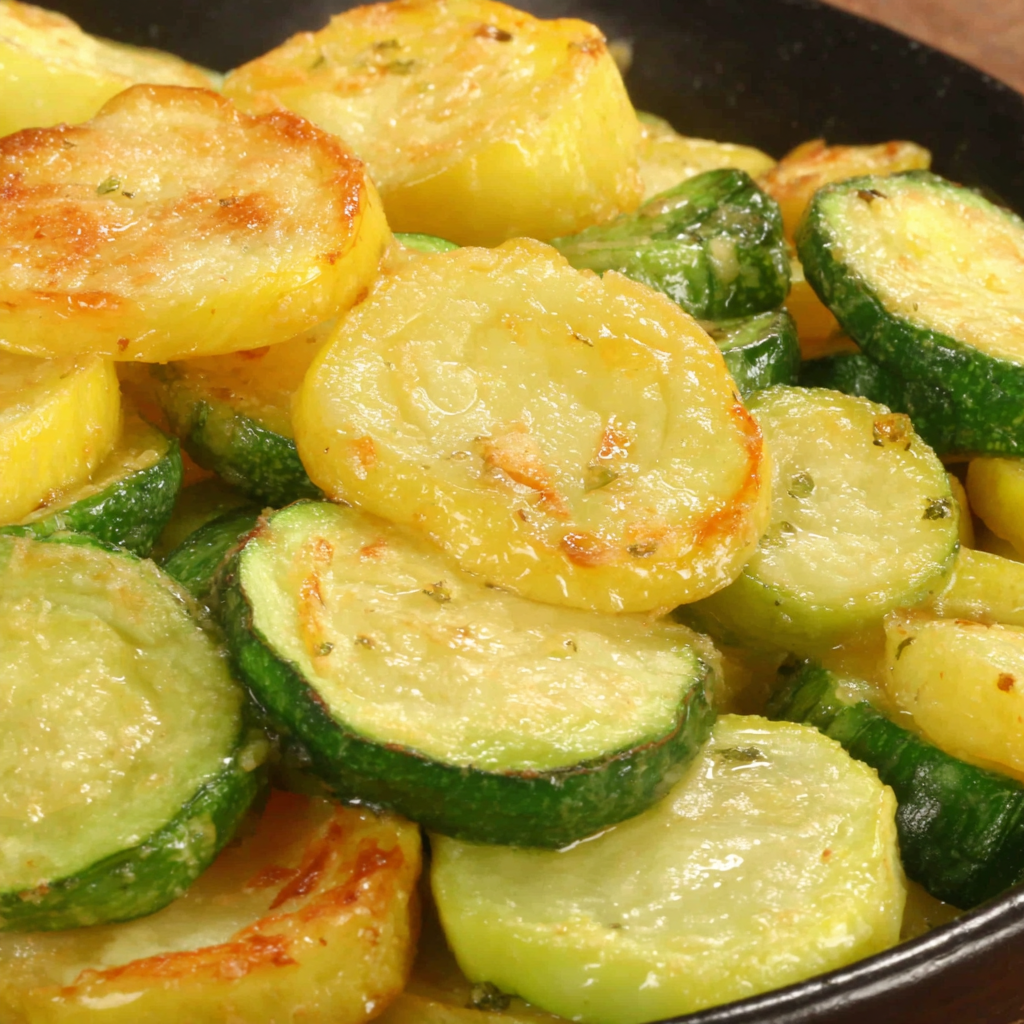
Air Fryer Zucchini and Squash
Crisp-edged, tender-in-the-middle zucchini and yellow squash made in 15 minutes with pantry spices. A vibrant, veggie-forward side everyone devours.
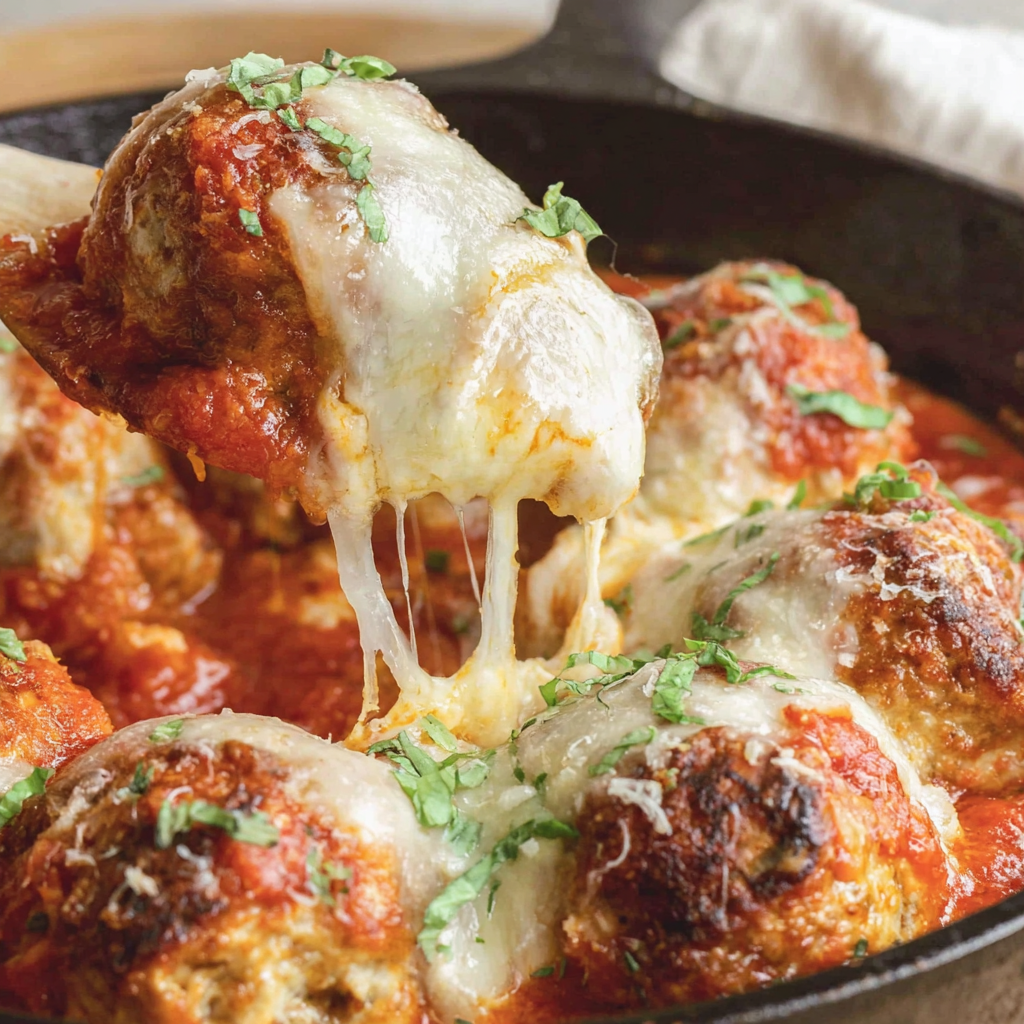
Chicken Meatball Parmesan
Tender chicken meatballs simmered in rich marinara and blanketed with melty mozzarella, bringing all the flavors of chicken parm in cozy, bite-sized form.
Did You Make This?
Leave a comment & rating below or tag @yummique on social media!
Rate This Recipe
Share This Recipe
Enjoyed this recipe? Share it with friends and family, and don't forget to leave a review!
Comments (1)
This recipe looks amazing! Can't wait to try it.
Comments are stored locally in your browser. Server comments are displayed alongside your local comments.

Hi, I'm Amira!
What's Popular
30-Minute Meals!
Join to receive our email series which contains a round-up of some of our quick and easy family favorite recipes.