>>

A rich, easy-to-make tomato sauce that transforms homemade pizza — deeply flavored, silky, and ready in just 35 minutes.
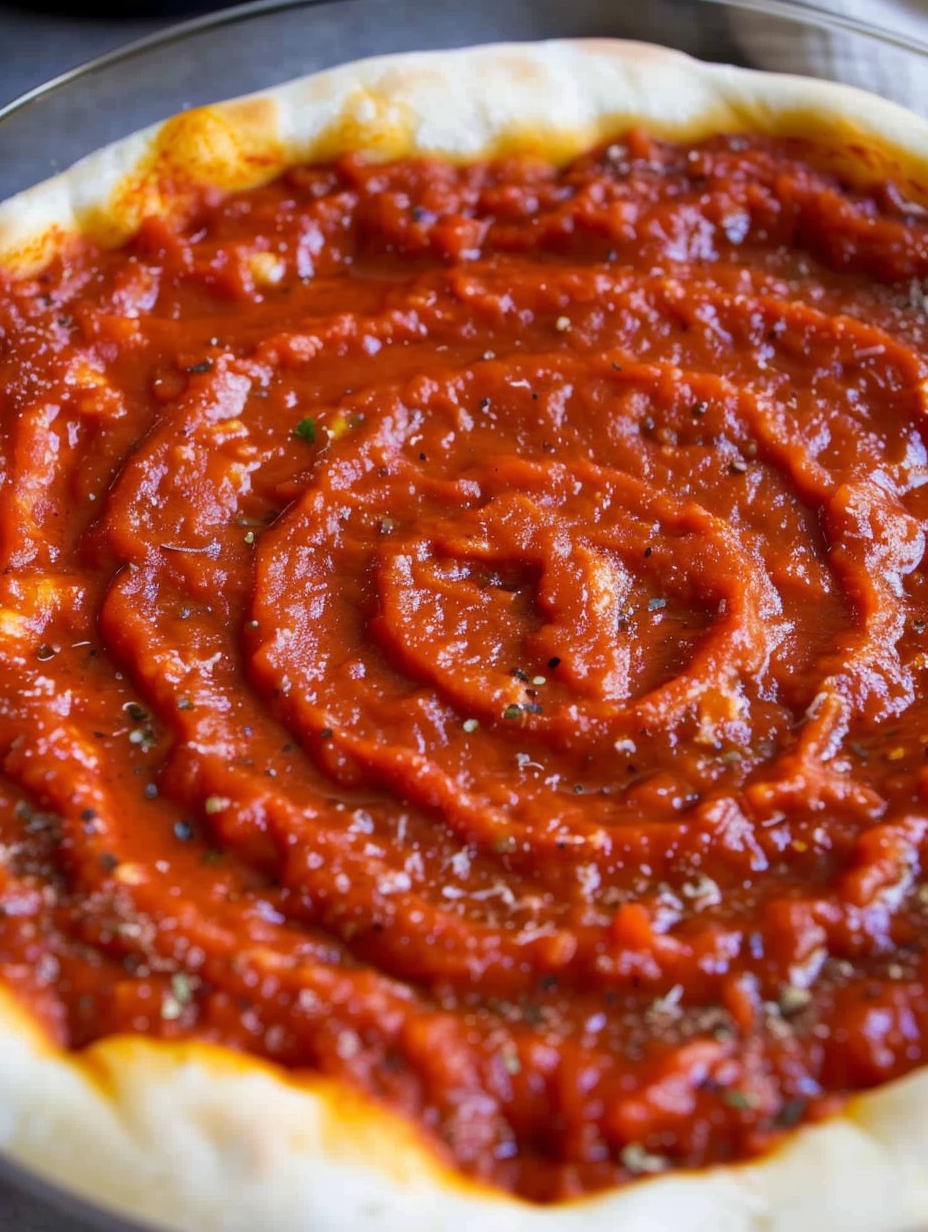
This Homemade Pizza Sauce is my go-to whenever I want a true pizzeria flavor at home. I discovered this combination during a weekend spent testing fast weeknight pizzas; the pantry cans and a few simple seasonings produced a sauce so balanced and bright that I stopped buying jars. What makes it special is that it builds depth quickly: sautéed onion and garlic, a touch of butter for mouthfeel, canned tomato sauce and paste for concentrated tomato flavor, and just enough parmesan and sugar to round the acidity. The result is saucy, slightly tangy, and rich without being heavy.
Beyond the taste, this sauce is about convenience and reliability. It comes together in about 35 minutes from start to finish — five minutes of prep and a brief simmer — which is perfect when dough rises on the counter or when you want to speed-dial a weeknight pizza. I often make a double batch and freeze portions; friends and family have told me they can smell the difference the moment a pie comes out of the oven. This is the kind of staple you learn to rely on — it improves with practice, and the technique behind each step makes a noticeable difference.
In my kitchen this sauce became the standard after a rainy Saturday of pizza testing. My kids declared it “better than takeout” on the first night, and neighbors asked for jars the next week. I appreciate how forgiving it is: if a can of sauce is brighter or sweeter, a tiny extra pinch of sugar or more simmer time fixes it. It’s the kind of foundational preparation that quietly elevates every homemade pie you make.
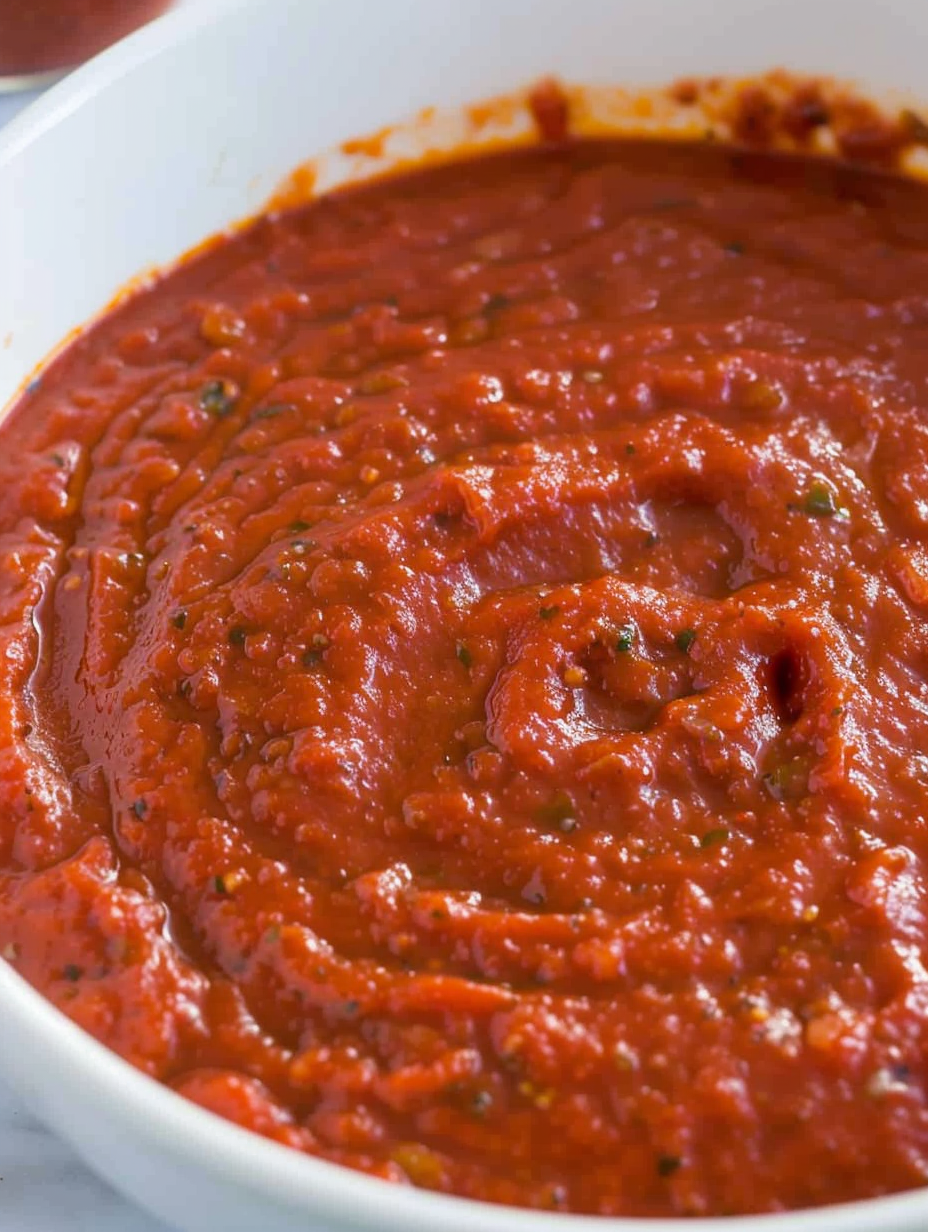
My favorite aspect is how reliably this method produces complex flavor with minimal hands-on time. On busy pizza nights I’ll grate the onion and garlic ahead, sauté quickly, then leave the sauce to simmer while dough finishes rising. The family notices the difference: the crust-sauce-cheese balance is cleaner and more flavorful than jarred alternatives. It’s also a great base for improvisation — add olives, anchovies or roasted peppers if you want to dress it up.
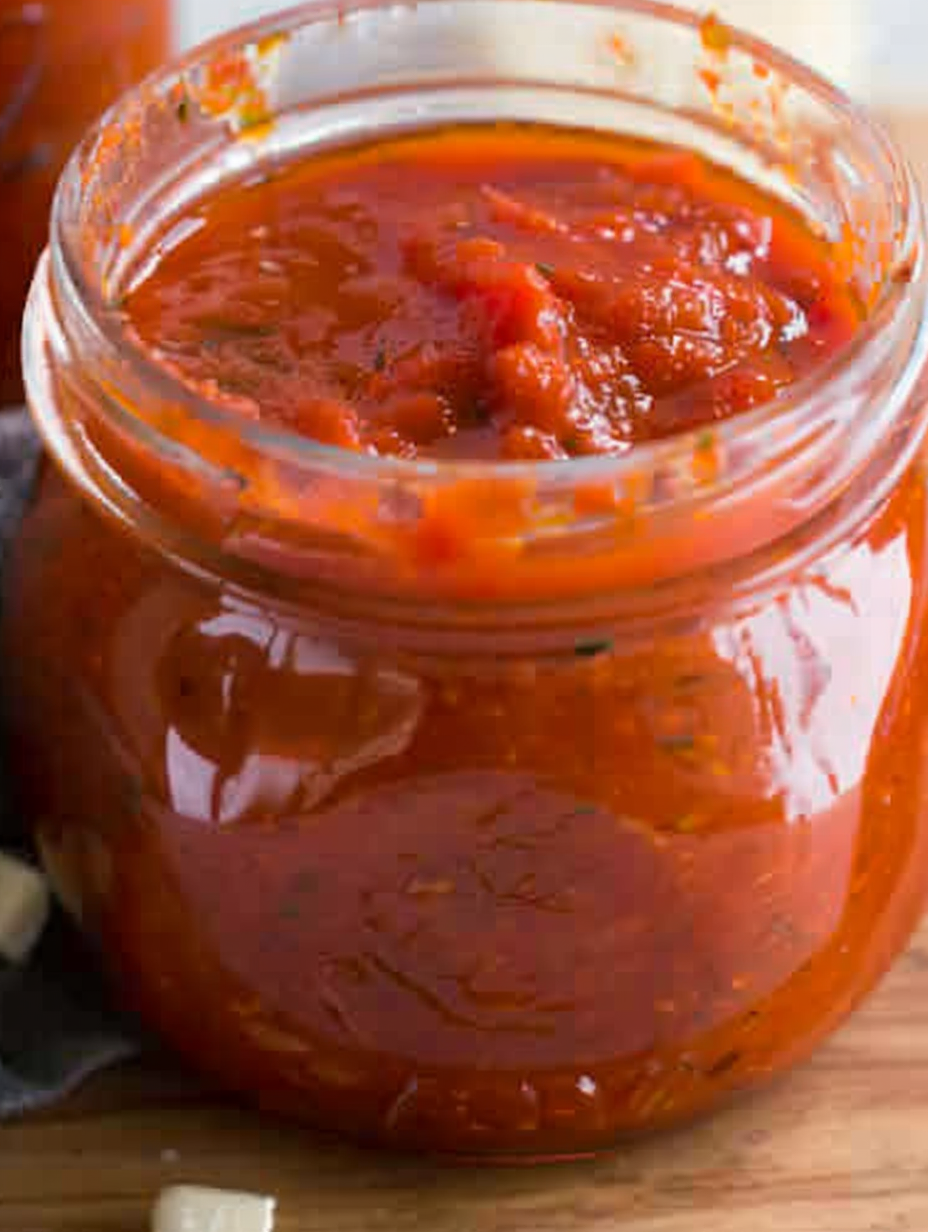
Store cooled sauce in an airtight glass container to preserve flavor and avoid plastic aromas. In the refrigerator it will stay fresh for up to seven days; use within that period for peak brightness. For longer storage, ladle measured portions (about 1 cup each) into heavy-duty resealable freezer bags, press flat to remove air, and freeze. Flat bags thaw faster in the fridge overnight. Reheat gently on low, stirring occasionally, and add a splash of water if it seems too thick.
If you don’t have tomato sauce, use crushed tomatoes plus an extra tablespoon of tomato paste to thicken. For a dairy-free version omit the Parmesan and add 1/2 teaspoon of nutritional yeast for umami. Swap butter for more olive oil for a vegan adaptation. If you prefer a smokier profile, replace half the tomato sauce with fire-roasted tomatoes. For less sodium, use low-sodium canned tomatoes and adjust salt after simmering.
This sauce works on classic thin-crust pizzas, thick pan pies, or as a dipping sauce for breadsticks. For a Margherita, spread a thin layer, top with fresh mozzarella and basil, and bake until golden. For a quick weeknight option, toss leftover rotisserie chicken with warmed sauce and reheat pasta for a comforting meal. Garnish pizzas with a drizzle of extra-virgin olive oil and a sprinkle of extra grated Parmesan just before serving.
Tomato-based sauces are at the heart of Italian-American pizza-making, where canned tomatoes and quick pan techniques democratized authentic flavors in home kitchens. This style blends Old World simplicity — olive oil, garlic, and herbs — with modern pantry convenience. The addition of a small amount of butter and Parmesan nods to the classic Italian approach of balancing acidity with fat and umami to emulate the slow-cooked depth developed in traditional kitchens.
In summer, swap half the canned sauce for fresh, pealed, seeded tomatoes briefly cooked down to preserve brightness. Add torn fresh basil at the end. In winter, increase the simmer time a bit longer to concentrate flavor from canned tomatoes. For holiday gatherings, dress the sauce with roasted garlic and a splash of balsamic for festive depth — it pairs exceptionally well with sausage-topped pies.
Make a double batch at the start of the week and portion it into one-cup containers; one container is a perfect amount for a 12-inch pizza. Label containers with dates and use within three months for best quality. To reheat, place frozen sauce in the refrigerator the night before, then warm on the stovetop. If you’re short on time, microwave defrost and finish in a skillet to refresh the texture.
Every time I serve this sauce, it sparks questions about how simple ingredients can create something truly memorable. It’s the kind of small technique — sauté, simmer, season — that rewards a little attention and lives at the center of many great meals. I hope it becomes a staple in your kitchen as it has in mine.
Grate the onion instead of finely chopping to create tiny pieces that melt into the sauce and add sweetness without texture.
Use a splash of water to rinse out the tomato cans so you don’t lose any tomato solids or flavor.
Simmer on low and stir occasionally; this concentrates flavor without risking burned bits on the bottom.
Freeze in flat resealable bags for faster thawing and efficient storage space.
This nourishing the perfect homemade pizza sauce recipe is sure to be a staple in your kitchen. Enjoy every moist, high protein slice — it is perfect for breakfast or as a wholesome snack any time.
This The Perfect Homemade Pizza Sauce recipe makes perfectly juicy, tender, and flavorful steak every time! Serve with potatoes and a side salad for an unforgettable dinner in under 30 minutes.
Heat a medium saucepan over medium heat and add 2 Tablespoons olive oil and 1 Tablespoon unsalted butter. When the butter melts and foams, add the grated onion and cook 3–5 minutes until softened and lightly browned, watching so garlic won’t burn later.
Stir in 4 minced garlic cloves, 1 teaspoon each dried oregano, basil and Italian seasoning, 1/4 teaspoon onion powder and 1/4–1/2 teaspoon red pepper flakes if desired. Cook 30–45 seconds until fragrant to bloom the herbs.
Add the 28-ounce can tomato sauce and 6-ounce can tomato paste, rinsing the cans with a little water and adding that liquid too. Stir thoroughly to dissolve the paste and bring to a gentle simmer.
Stir in 3 Tablespoons grated Parmesan, 1 teaspoon sugar, 1/2 teaspoon salt and 1/4 teaspoon black pepper. Reduce heat to low and simmer uncovered 25–30 minutes until thickened and flavors have melded; adjust seasoning to taste.
Cool slightly and use immediately on prepared dough, or transfer to airtight containers. Refrigerate up to 1 week or freeze portions for up to 3 months; thaw overnight and reheat gently.
Last Step: Please leave a rating and comment letting us know how you liked this recipe! This helps our business to thrive and continue providing free, high-quality recipes for you.
Leave a comment & rating below or tag
@yummique on social media!
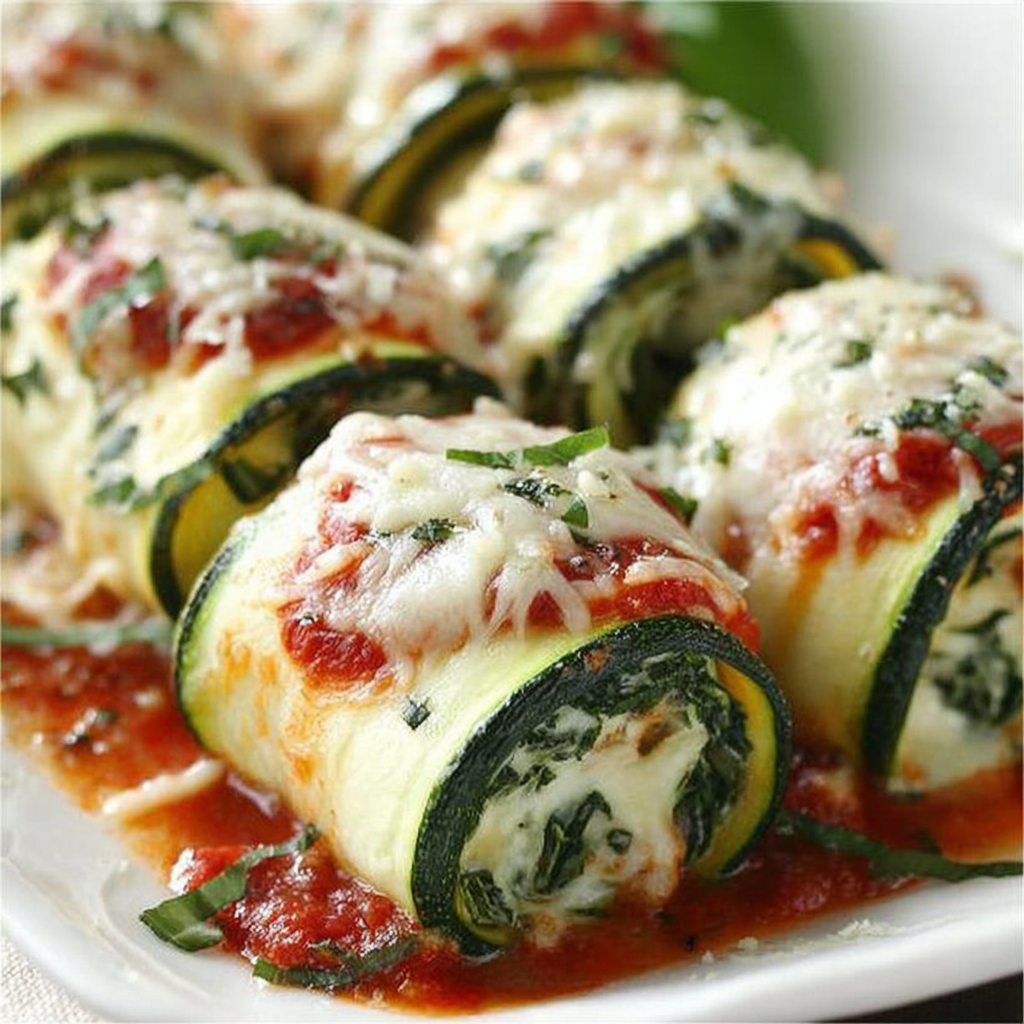
Tender grilled zucchini wraps basil ricotta, bathed in marinara and mozzarella, baking into a bubbly, lighter Italian comfort dinner ready in 30 minutes.
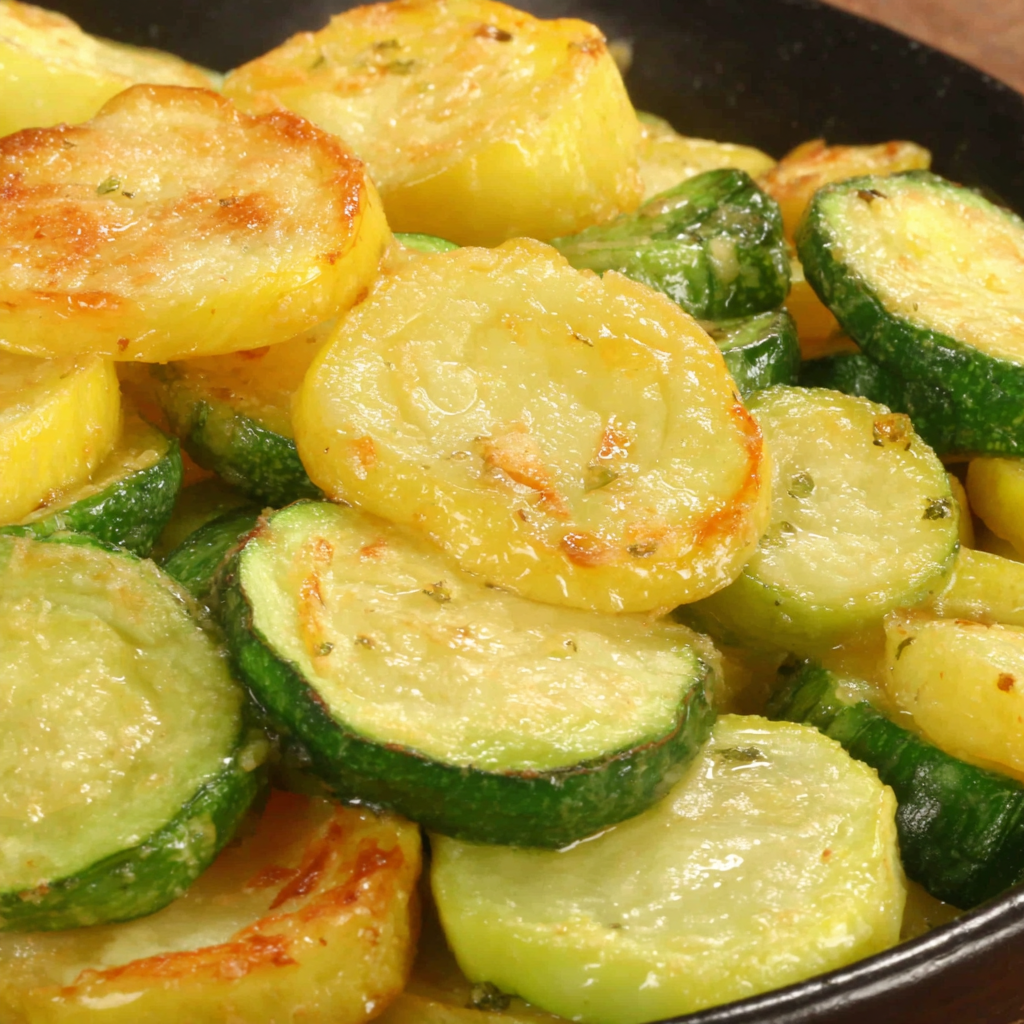
Crisp-edged, tender-in-the-middle zucchini and yellow squash made in 15 minutes with pantry spices. A vibrant, veggie-forward side everyone devours.
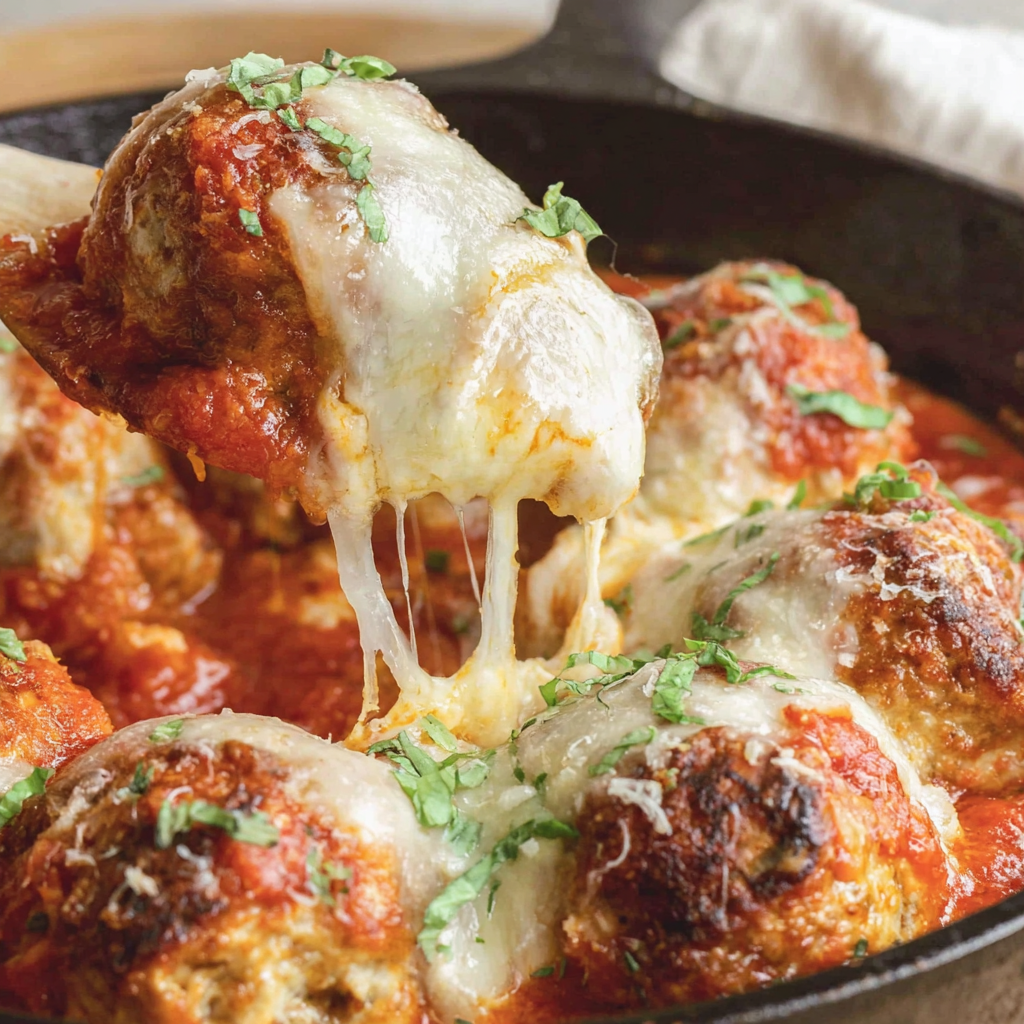
Tender chicken meatballs simmered in rich marinara and blanketed with melty mozzarella, bringing all the flavors of chicken parm in cozy, bite-sized form.
Leave a comment & rating below or tag @yummique on social media!
Enjoyed this recipe? Share it with friends and family, and don't forget to leave a review!
This recipe looks amazing! Can't wait to try it.
Comments are stored locally in your browser. Server comments are displayed alongside your local comments.

Join to receive our email series which contains a round-up of some of our quick and easy family favorite recipes.