>>

A rustic Croatian side of garlicky Swiss chard and tender potatoes sautéed in extra virgin olive oil. Simple, hearty, vegan, and perfect for weeknights or family spreads.
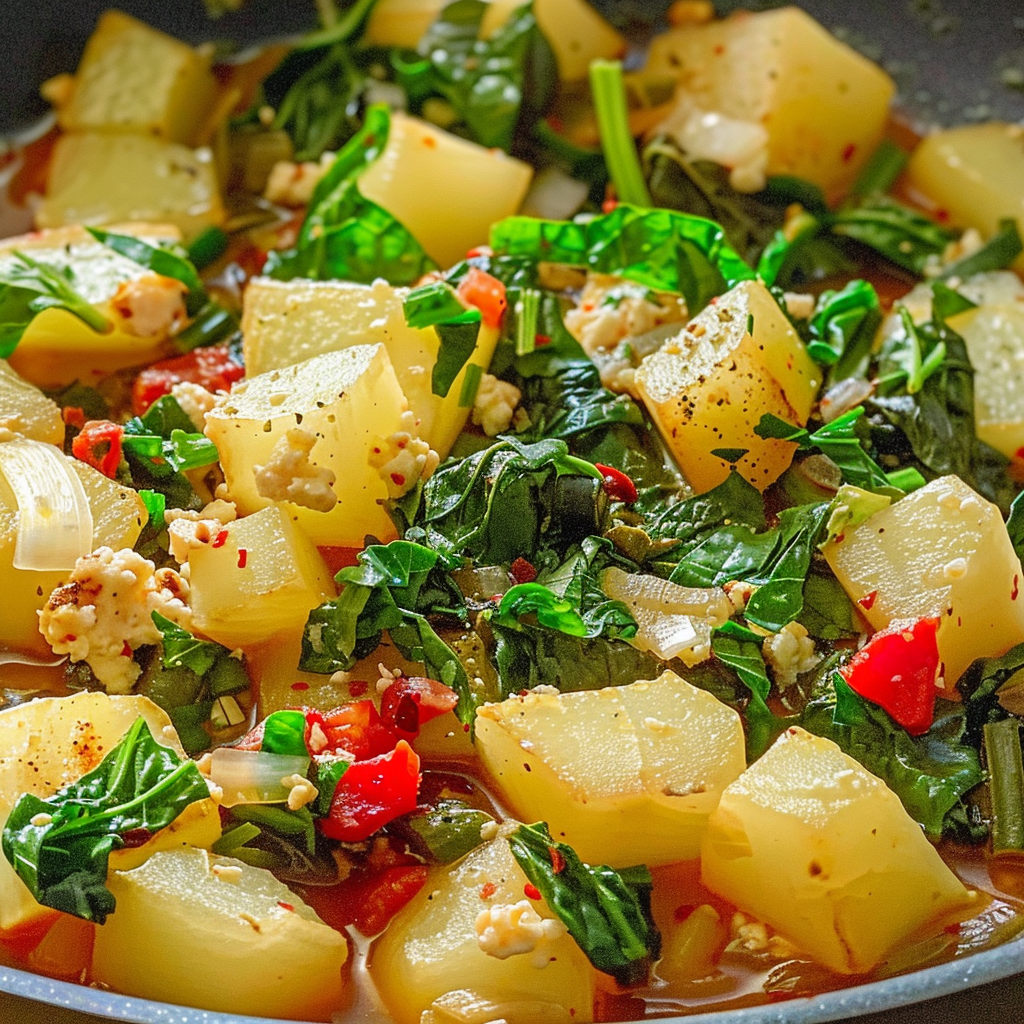
This coastal Croatian preparation of Swiss chard and potatoes is one of those dishes that instantly transports me to a small seaside kitchen where simplicity is the highest form of flavor. I first met this combination on a windy afternoon when a friend from Dalmatia made it for me after a market run. The scent of warm olive oil, the sharp lift of garlic, and the soft, comforting bite of Yukon golds made an immediate impression. It is humble and strangely celebratory at the same time, the kind of vegetable-forward plate that fills you up without weighing you down.
What makes this version special is how the ingredients play clear roles. The chard brings a green, slightly bitter character that is mellowed by a slow sauté of its stems and leaves. The potatoes give the dish body and a creamy counterpoint, especially if you press down on them a bit at the end. Extra virgin olive oil contributes a grassy finish and mouthfeel that ties everything together. For everyday meals or holiday spreads, a tray of this will disappear fast, often to the sound of forks and approving murmurs.
I remember serving this alongside grilled fish one summer evening and watching even the most reluctant green-eaters come back for seconds. The combination of textures and the garlic-forward aroma always gets compliments. Over time I have learned to vary the garlic quantity depending on who is coming to dinner, but I rarely skip the generous finishing drizzle of olive oil which makes the dish feel polished.
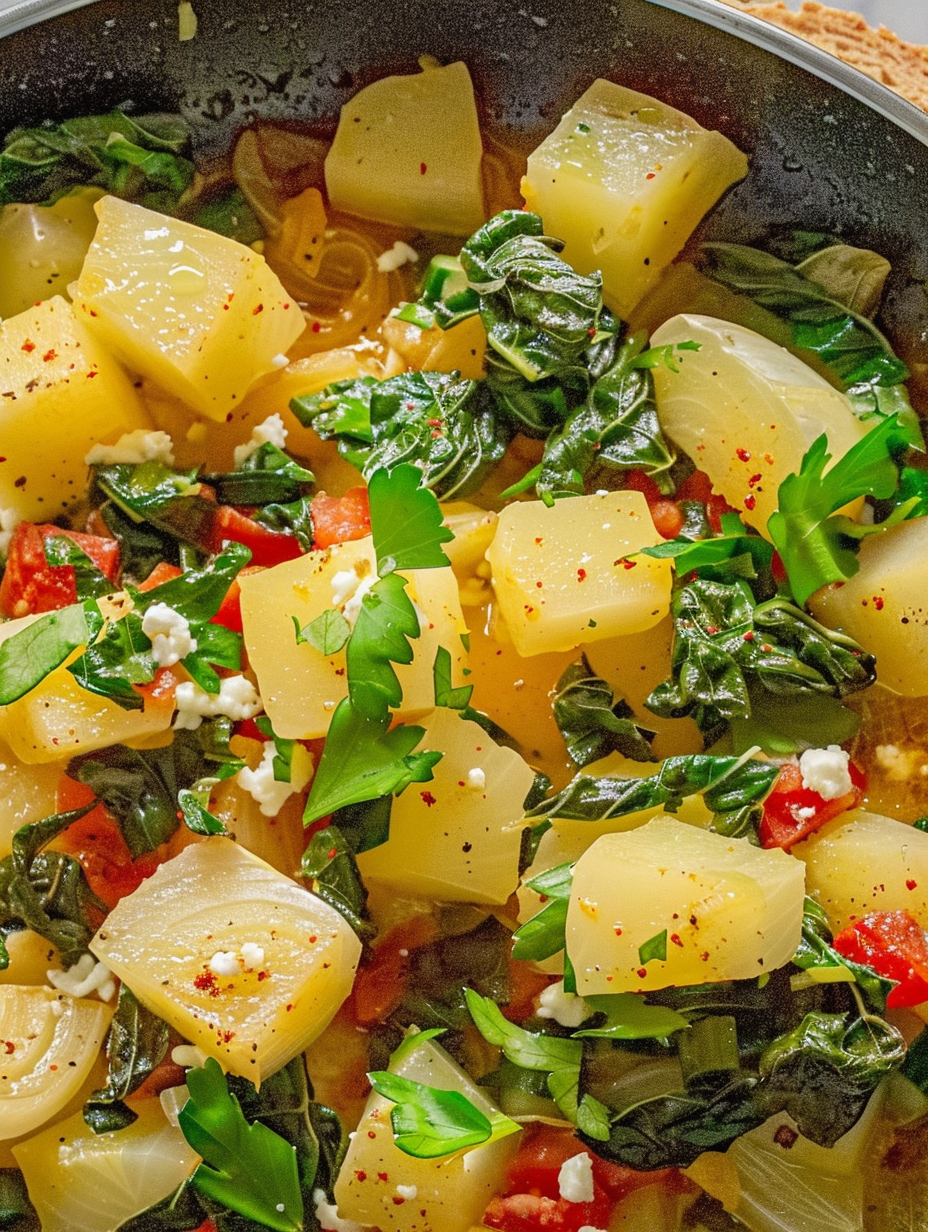
One of my favorite things about this plate is how forgiving it is. I have made it when supplies were sparse and it still tasted like mercy on a busy weeknight. My family has compared it to seaside tavern cooking, and I have vivid memories of serving it at a picnic where it paired beautifully with grilled vegetables and a citrusy bean salad. The olive oil finish always draws compliments.
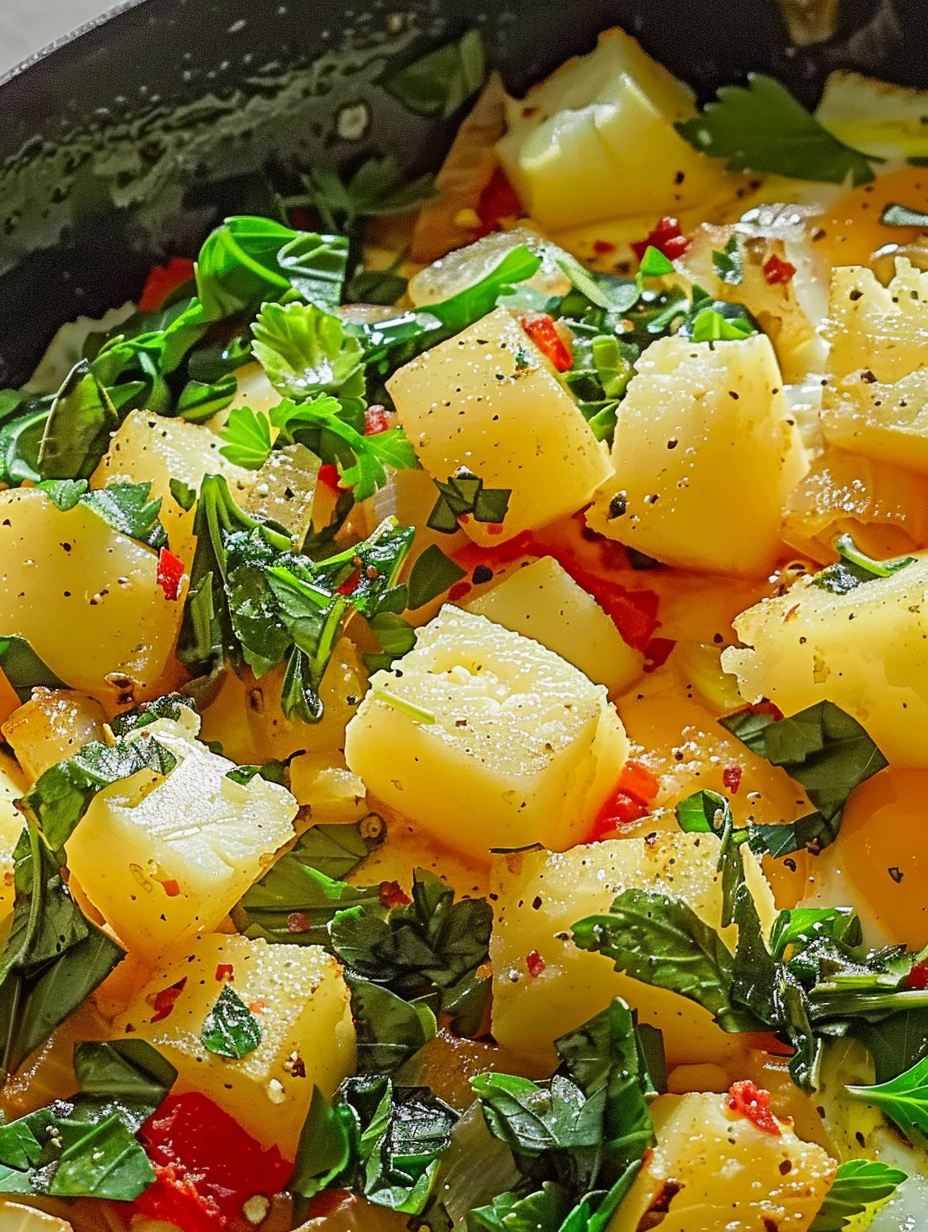
Store leftovers in an airtight container in the refrigerator for up to four days. For the best reheating results, warm a skillet over medium low, add a splash of olive oil, then toss in the blitva until heated through. Avoid microwaving for long periods as it can make the leaves limp. If you plan to freeze, do so only after a quick chill, and be aware that the texture will soften more when thawed. Proper cooling before sealing helps maintain color and flavor.
If you cannot find Swiss chard use kale, collards, or even spinach. Kale and collards need a little longer cooking time and benefit from finer slicing. Spinach wilts almost instantly and can be added directly to the hot pan at the end. For potatoes, any waxy variety will work; red potatoes hold shape best. If you prefer less oil, reduce to 2 tablespoons but finish with a light brush of olive oil to preserve the characteristic flavor.
Serve alongside grilled fish, roasted lamb, or as part of a mezze style spread. It pairs well with lemony beans, a simple couscous, or crusty bread for sopping up oil. Garnish with lemon zest or a scattering of toasted pine nuts for a touch of crunch. For a heartier meal, add white beans or a scoop of cooked farro to make it more substantial.
Blitva is a staple of Dalmatian and Croatian coastal cooking where simple, high quality ingredients are preferred. The name literally means chard and the dish showcases how basic produce and good olive oil can create memorable plates. It is commonly served as a side to fish or meat, or on its own with bread. Regional variations feature different chiles or a splash of vinegar in some coastal towns.
In spring use freshest early chard and finish with young garlic. In summer add a squeeze of lemon to brighten the oil. In fall pair it with roasted squash and a sprinkle of toasted seeds. For winter, increase the garlic and add a handful of chopped preserved chilies to echo the deeper flavors of the season. Small changes to herbs and citrus will adapt it seamlessly for any time of year.
Prepare the potatoes and wilted chard separately and combine just before serving for best texture. Cook the potatoes and cool them quickly in a colander so they do not get waterlogged. Store components in shallow containers for faster chilling and even reheating. For lunches, pack with a wedge of lemon and a small container of olive oil to refresh the plate at mealtime.
Simple, honest, and deeply satisfying, this coastal preparation is one of those dishes that rewards attention but never demands perfection. Make it your own, and it will become part of your table rotation as it has in mine.
Thinly slice the chard stems so they soften quickly and evenly during sautéing.
Par-cook the potatoes in the skillet with water to save time and avoid over-oiling.
Finish with a generous drizzle of extra virgin olive oil for aroma and mouthfeel.
Use medium heat when cooking garlic to soften it without browning and becoming bitter.
This nourishing blitva (croatian potatoes and swiss chard) recipe is sure to be a staple in your kitchen. Enjoy every moist, high protein slice — it is perfect for breakfast or as a wholesome snack any time.
Leftovers keep in an airtight container in the refrigerator for up to four days. Reheat in a skillet with a splash of olive oil over medium low until hot.
Yes. Substitute kale, collards, or spinach. Kale and collards need longer cooking, spinach wilts very quickly.
This Blitva (Croatian Potatoes and Swiss Chard) recipe makes perfectly juicy, tender, and flavorful steak every time! Serve with potatoes and a side salad for an unforgettable dinner in under 30 minutes.
Wash and dry the Swiss chard. Tear leaves into bite size pieces and thinly slice the stalks. Keep leaves and stems separate so stems cook longer.
Place potatoes in a large skillet with 2 cups water and 1 teaspoon salt. Cover, bring to a boil, reduce to medium low and cook until tender 8 to 10 minutes. Drain well.
Dry the skillet, warm 4 tablespoons olive oil over medium, then add sliced stems and garlic. Cook, stirring frequently, until stems are crisp tender and garlic fragrant about 3 minutes.
Add chard leaves in large handfuls, stir with tongs, add a pinch of salt and optional chilies, and cook until wilted and tender about 3 minutes.
Return drained potatoes to the skillet and toss gently. Press a few potatoes with the back of a spoon if you want a creamier texture. Season with additional salt and pepper and drizzle with olive oil before serving.
Last Step: Please leave a rating and comment letting us know how you liked this recipe! This helps our business to thrive and continue providing free, high-quality recipes for you.
Leave a comment & rating below or tag
@yummique on social media!
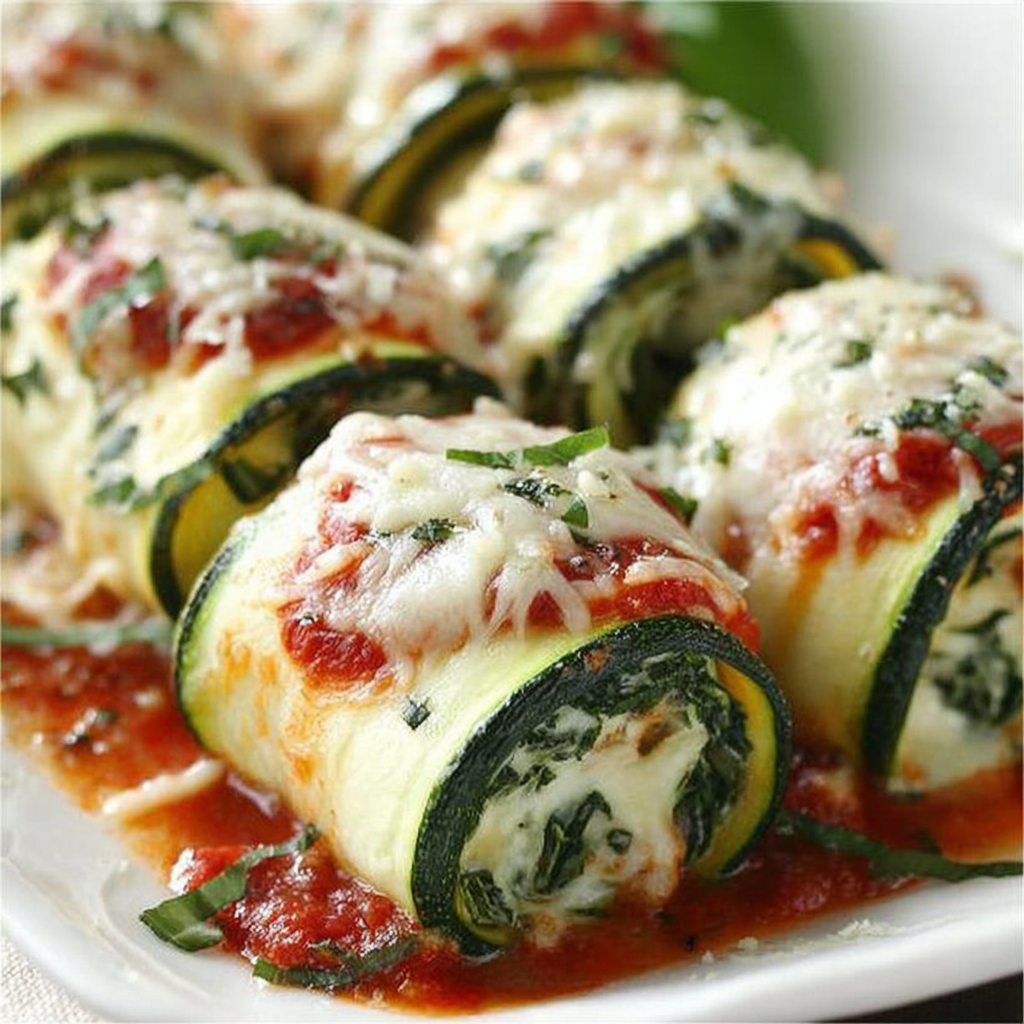
Tender grilled zucchini wraps basil ricotta, bathed in marinara and mozzarella, baking into a bubbly, lighter Italian comfort dinner ready in 30 minutes.
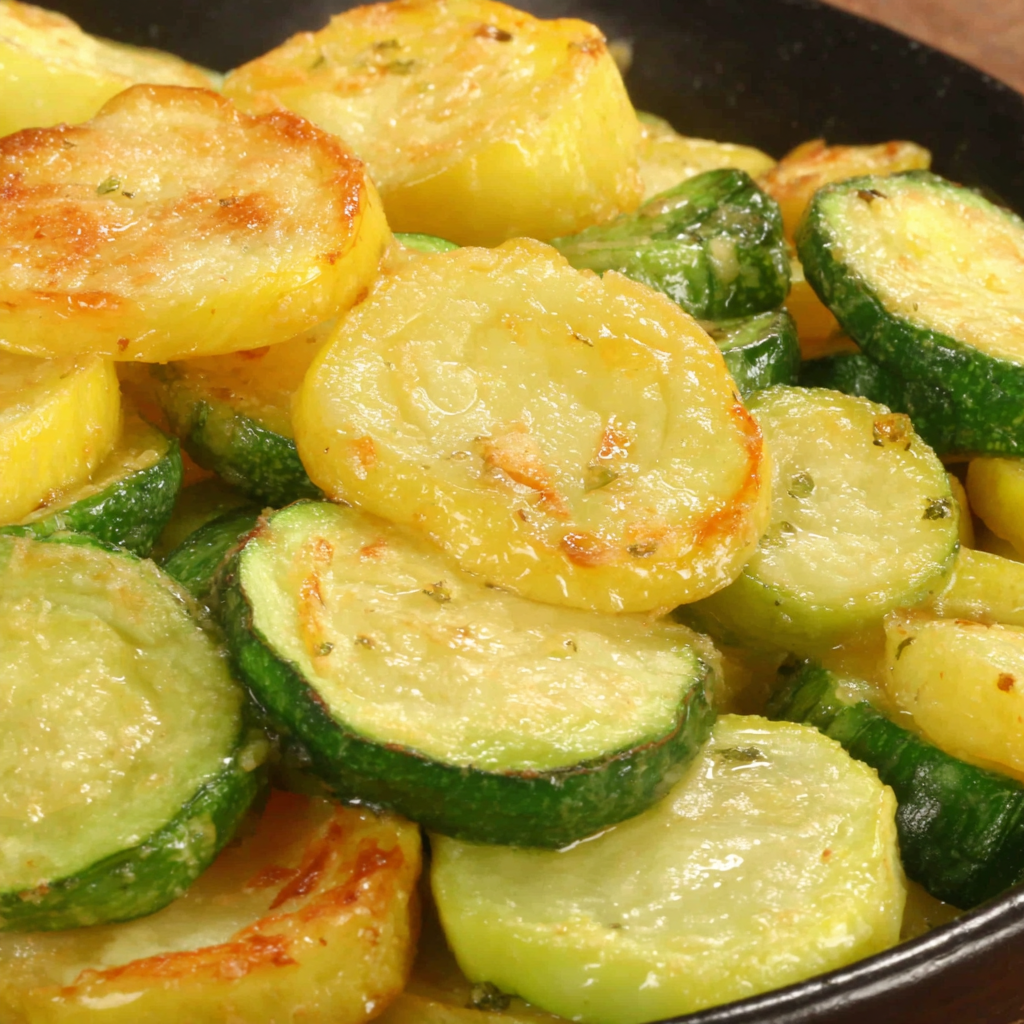
Crisp-edged, tender-in-the-middle zucchini and yellow squash made in 15 minutes with pantry spices. A vibrant, veggie-forward side everyone devours.
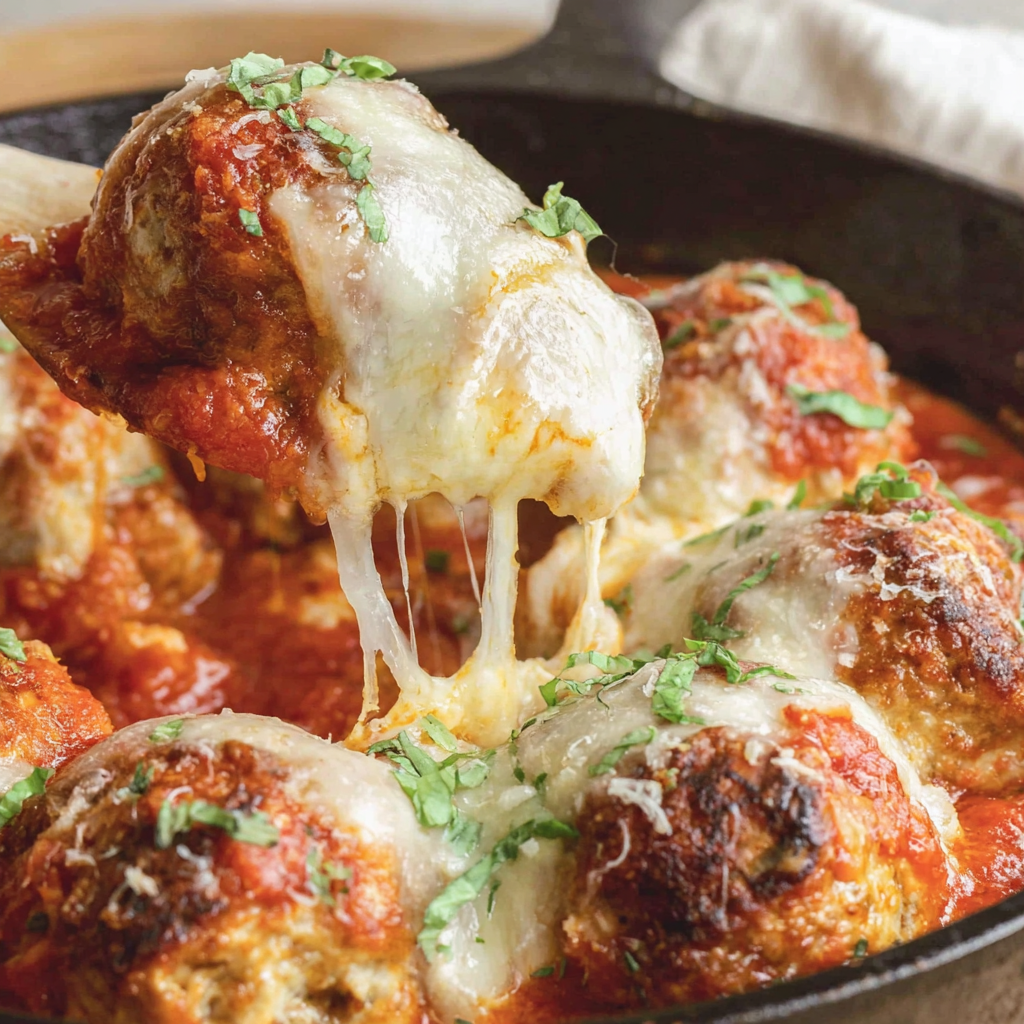
Tender chicken meatballs simmered in rich marinara and blanketed with melty mozzarella, bringing all the flavors of chicken parm in cozy, bite-sized form.
Leave a comment & rating below or tag @yummique on social media!
Enjoyed this recipe? Share it with friends and family, and don't forget to leave a review!
This recipe looks amazing! Can't wait to try it.
Comments are stored locally in your browser. Server comments are displayed alongside your local comments.

Join to receive our email series which contains a round-up of some of our quick and easy family favorite recipes.